Vetting & visits
Factory Visit Checklist Thailand: What to Verify Before You Commit
A quote and a glossy brochure only tell you half the story. If you're serious about working with a Thai cosmetic manufacturer, a factory visit — in person or via a structured video
A quote and a glossy brochure only tell you half the story. If you're serious about working with a Thai cosmetic manufacturer, a factory visit — in person or via a structured video audit — is where you confirm whether what's on paper matches what's on the floor. This factory visit checklist Thailand guide walks through exactly what to look at, ask, and document, so you reduce the chance of surprises after the deposit is paid.
Why a factory visit changes your sourcing decision
Photos sent over email can be years old, borrowed from another facility, or simply staged. A visit — whether you fly in, send a local representative, or request a live video walkthrough — lets you see production lines running in real time, observe how staff handle raw materials, and check whether the facility matches the scale implied in the sales pitch. For brand owners doing global sourcing across multiple countries, this step is usually non-negotiable before committing to a production run, especially for a first order with a new partner.
Before you go: documents and questions to prepare
Request a facility overview, product category range, and any certifications relevant to your target market in advance — with the understanding that documentation is usually provided per item at order stage, not as a blanket guarantee for every SKU. Prepare a list of your intended products (serum, cream, powder, liquid fill, etc.) since not every factory handles every format. If you're comparing several names from a Thai manufacturers directory or shortlist, use the same question set for each so you can compare answers side by side rather than relying on impressions.
On-site checklist: production floor
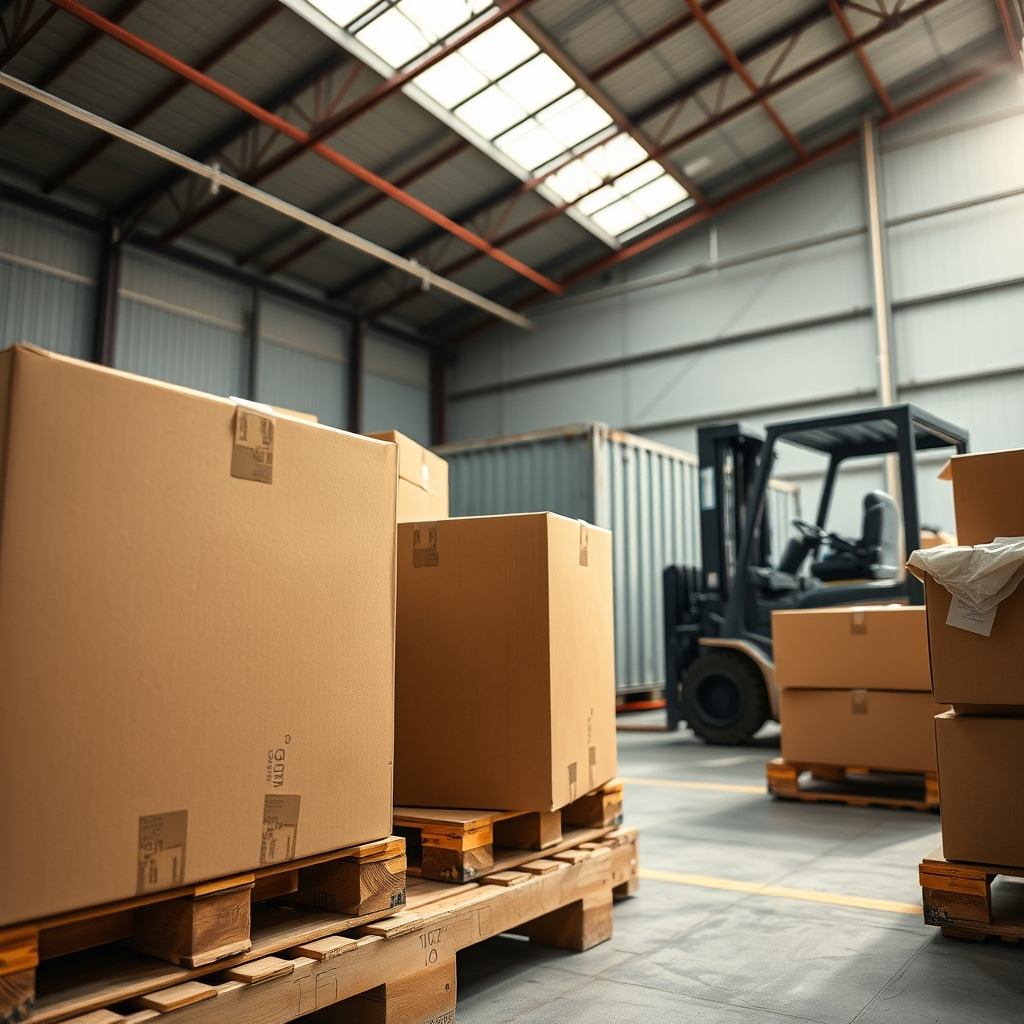
Walk the line, don't just stand at the entrance. Check: are raw material storage areas labeled and separated from finished goods? Is there a visible cleaning/sanitation schedule for equipment? Do operators wear appropriate protective gear? Is the filling and packing area separated from general warehouse traffic? Ask to see a batch record for a recent run (even redacted) to understand how they document production. A factory that hesitates to show any basic process documentation is a flag worth noting, not necessarily disqualifying — but worth asking why.
On-site checklist: quality control and lab
Ask where incoming raw materials are tested and by whom — in-house lab, outsourced, or both. Check if there's a retained sample room (common for traceability) and ask how long samples are kept. For stability testing, ask what protocols they run on their own formulas versus client-supplied ones. None of this needs to come with firm guarantees upfront — the point of the visit is to understand their process, not to extract promises.

Red flags vs. normal variation
Some things are simply operational style, not red flags: smaller facilities, shared production lines across multiple brands, or longer lead times during peak seasons. Genuine concerns tend to look more like: refusal to show any part of the production floor, inconsistent answers about MOQ or formula ownership between sales staff and floor managers, or an address that doesn't match the registered business. If something feels off, it's reasonable to ask for a second conversation or request references, rather than walking away immediately — but trust your notes over the sales pitch.
Working across a partner factory network
Many sourcing managers don't rely on a single factory relationship — they work across a partner factory network covering different categories (skincare, personal care, supplements) so they're not bottlenecked by one facility's capacity or specialty. If you're building this kind of relationship for the first time, platforms that maintain a working list of Thai OEM/ODM factories, such as the directory referenced on thaicosmeticfactory.com, can help you shortlist candidates worth visiting before you invest travel time or deposits.
Need expert support?
Leave your details and our team will get back to you.
FAQ
Frequently asked questions
Is an in-person visit always necessary before placing an order?
Not always, but for a first order with a new factory it's strongly advisable where feasible. A live video walkthrough covering the production line, storage, and QC area is a reasonable substitute when travel isn't practical.
What should I bring to a factory visit?
Your product brief, target market regulatory notes (checked with your own customs/import authority), a standard question checklist, and a notebook or recorder to document answers consistently across different facilities.
How do I compare multiple factories fairly?
Use the same checklist and questions for each visit, and take notes immediately afterward while details are fresh. Avoid letting the most polished presentation outweigh substantive answers on process and documentation.
Can I request a visit before getting a quote?
Many factories prefer an initial product brief and informal conversation first so they understand your scope before scheduling a facility tour. Timing and format are usually confirmed directly with the factory or sourcing contact.
Prepared by the Thai Cosmetic Factory team for informational purposes. Some links may lead to referred partners.
Articles
Related articles
Cosmetic Manufacturing Contract Checklist: 6 Areas to Review
A cosmetic manufacturing contract checklist helps you turn a promising factory conversation into a clear, written working relationship. Most disputes between brand owners and

ISO 22716 Explained for Buyers: What GMP Certification Actually Verifies
If you're evaluating Thai OEM/ODM factories for a cosmetic or skincare line, ISO 22716 is likely the first acronym you'll run into — and the most misunderstood. It's not a product
Cosmetic Factories Around Bangkok: A Buyer's Guide to Finding and Vetting the Right Partner
Bangkok and its surrounding industrial provinces (Samut Prakan, Samut Sakhon, Pathum Thani, and parts of the Eastern Economic Corridor) host one of Southeast Asia's densest cluster