Factory types
Herbal Product Factory Thailand: What Buyers Should Verify First
Choosing a herbal product factory Thailand buyers can rely on is harder than choosing a conventional cosmetics plant, and the reason is the
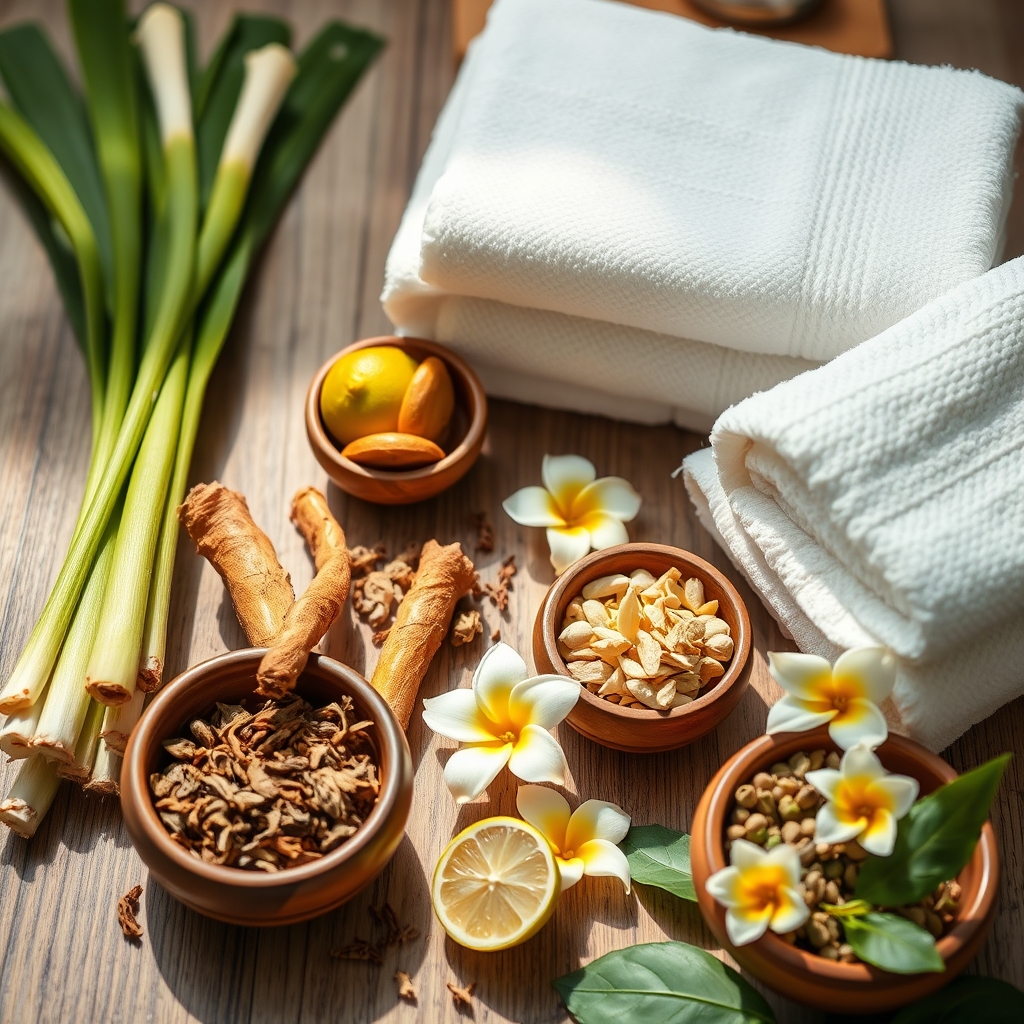
Choosing a herbal product factory Thailand buyers can rely on is harder than choosing a conventional cosmetics plant, and the reason is the raw material. Botanicals vary by harvest, by region and by supplier in ways that a synthetic ingredient does not, which means the verification questions change. A standard factory audit checklist will miss most of what matters here. This guide covers what to verify, in what order, and which answers should make you slow down.
First, Establish Which Category Your Product Falls Into
Before you evaluate any plant, be certain what you are actually buying, because the category determines which rules, which licences and which testing apply. Buyers who skip this step frequently audit a facility against the wrong standard.
In practice, products described loosely as "herbal" sit in several distinct regulatory categories:
- **Topical cosmetics with botanical ingredients** — a balm, oil, soap or cream whose claims stay within cosmetic boundaries
- **Ingestible products** — teas, capsules and functional drinks, which generally fall under food or supplement rules rather than cosmetic ones
- **Herbal products with therapeutic positioning** — a separate category with its own requirements and its own licensing for the manufacturer
- **Household and aroma products** — diffusers, candles and air care, which carry different obligations again
The same botanical can appear in three of these, and a factory licensed for one is not automatically licensed for another. This is the most common structural mismatch in herbal sourcing: a buyer finds a capable plant, then discovers it cannot legally produce the format they want.
**What to do:** write a one-line product definition that includes the format, the route of use and the strongest claim you intend to make. Send that definition to every candidate and ask them to confirm, in writing, that they hold the licence category covering it. Then verify the category requirements with the Thai FDA for the manufacturing side, and with the regulator in your destination market for the import side, since the two do not always align.
Botanical Identity and Raw Material Control
This is where herbal manufacturing genuinely differs, and where most buyers under-ask.
A botanical ingredient is not one thing. Two batches of the same plant can differ in active content depending on species, plant part, growing region, harvest timing and drying method. A plant extract can also be adulterated or substituted — sometimes deliberately, sometimes through supply chain confusion over local names.
**Questions that reveal whether a plant controls this properly:**
- How is the botanical species confirmed on receipt, and is it recorded by scientific name rather than a common name only
- Which plant part is specified, and is that specification written into the purchase documentation
- Is there a specification for the extract, including solvent, ratio and any marker compound
- How many suppliers exist for each key botanical, and are they qualified and re-evaluated
- What happens to a delivery that fails incoming inspection — is it quarantined, and who authorises release
- Is there a retained sample of each incoming raw material lot
**Red flag:** a supplier who cannot distinguish between a dried herb, a powder and a standardised extract when discussing your formula. That distinction drives cost, consistency and whether your product performs the same next year.
**Second red flag:** a plant that names no specific origin for its botanicals and treats the question as commercially sensitive. Confidentiality about pricing is normal; vagueness about what the material is and whether it is tested is not.
Testing: What Should Exist, and What to Ask to See
Botanicals carry contaminant risks that synthetic ingredients do not, and the testing programme is the clearest signal of how seriously a plant takes them.
**Contaminant testing.** Plants concentrate what is in their soil and what is sprayed on them. The relevant categories are heavy metals, pesticide residues, microbiological contamination, and — for some materials, particularly those dried in humid conditions — mycotoxins. Ask which of these are tested, on what basis, and whether testing is per raw material lot or per finished batch. Both have a place; neither alone covers everything.
**Identity and composition testing.** Beyond contaminants, ask how the plant confirms that the material is what the specification says it is.
**Stability testing.** Botanical formulas can change colour, scent and clarity over time more readily than synthetic ones. Ask what stability work is done, under which conditions, and how a shelf life or period-after-opening is arrived at for your specific formula rather than for the category in general.
**Where the testing happens.** In-house laboratory, accredited third-party laboratory, or a mix. Third-party testing for contaminants is generally more persuasive to your own customers and regulators.
**What to ask to see:** a sample certificate of analysis for a comparable product, with commercially sensitive details redacted if necessary, and the specification document it is tested against. A certificate without a specification behind it tells you very little, because it proves a measurement was taken, not that a limit was agreed.
Documents available for a specific product are provided per item when an order is placed, so clarify early which ones apply to yours and at which stage you receive them.
Facility, Licences and Separation of Production
Now the conventional audit areas — with the herbal-specific additions that buyers tend to overlook.
**Licences and scope.** Confirm the manufacturing licence and, critically, its scope. A licence covers specified categories and formats. Ask the plant to show you the licence and explain which of your intended products it covers. Verify the status and scope with the Thai FDA rather than relying on a photograph of a certificate.
**Quality system.** For cosmetics, GMP-aligned systems such as ISO 22716 are the common reference; for ingestible products the relevant frameworks differ. What matters is that the system covers your product category, and that certificates are current and issued by a recognised body for the specific site you will be using — not for a related company or a different address.
**Cross-contamination controls.** This is the herbal-specific point. Plants that process strongly aromatic materials, allergens, or potent botanicals need cleaning validation and sometimes dedicated equipment. If your product must be free of a particular material, ask how that is assured when the same line runs other formulas.
**Storage conditions.** Dried botanicals need controlled humidity and pest management. A walk through the raw material store tells you more than a certificate does: look at how material is labelled, whether quarantined stock is physically separated, and whether anything is stored directly on the floor.
**Traceability.** Ask the plant to trace a finished batch back to the botanical lots that went into it. A facility that can do this quickly has a working system; one that needs a week does not.
**Specialist capability.** Where buyers need halal-suitable production, or a format such as a balm or essential oil blend, confirm that capability at the specific site. Buyers running broader **global sourcing** programmes often maintain a shortlist from a **Thai manufacturers directory** and verify each site separately, because capability is site-specific rather than company-wide.
Claims, Contracts and the Commercial Terms That Protect You
A technically excellent factory can still leave you exposed if the commercial frame is loose. For herbal products, two issues deserve particular attention.
**Claim boundaries.** Herbal products attract claim creep more than any other category, because traditional use language is widely available and sounds harmless. The manufacturer is not responsible for what you put on your packaging in your market. Decide what you will claim, confirm it against the rules in your destination market, and ensure the technical file supports it. Where a claim relies on traditional use, understand that this is not the same as a substantiated efficacy claim in most jurisdictions.
**Formula and specification ownership.** Settle in writing who owns the formula, who owns any extract specification developed for you, and what happens if you move production. Also settle whether the formula is exclusive to you — in many arrangements it is not, unless specifically agreed.
**Batch acceptance.** Agree what the approved reference is, how it is identified, that both parties retain a sealed sample, and what the process is when a lot does not match. For botanicals, agree in advance the acceptable range for natural variation in colour and scent, because some variation is inherent and a dispute over it is otherwise unresolvable.
**Continuity.** Ask what happens if a botanical becomes unavailable or its price moves sharply, and whether an alternative source is already qualified.
**Export documentation.** Clarify which documents the plant can issue for your product and your destination, and which you must obtain yourself.
Buyers comparing **Thai OEM/ODM factories** sometimes work through a **partner factory network** or a production management partner rather than contracting a plant directly. That can simplify coordination, but it does not change the verification you need — ask who holds the licence, which site will actually produce your goods, and who is accountable if a batch fails.
Need expert support?
Leave your details and our team will get back to you.
FAQ
Frequently asked questions
Does a GMP certificate cover herbal manufacturing?
It depends on the scope of the certificate and on which framework it refers to. A cosmetic GMP certification such as ISO 22716 addresses the quality system for cosmetic manufacturing at a specific site; it does not by itself confirm that the site is licensed for an ingestible herbal product, nor that botanical identity and contaminant testing are handled well. Read the certificate's scope, confirm it names the site you will use, and ask separately about raw material controls and testing.
Should I test the product myself even if the factory provides a certificate of analysis?
For a first production run, independent testing is a reasonable investment, particularly for contaminants in botanical materials. A manufacturer's certificate is useful but it is their measurement against their specification. Many buyers test the first batch at an accredited third-party laboratory, then move to periodic verification once a track record exists. Confirm with your own regulator which tests they expect to see for your product category in your market.
How do I handle natural variation in colour and scent between batches?
Address it before production rather than after. Agree a reference standard with the manufacturer and define an acceptable range around it, in writing, with retained samples held by both parties. Botanical materials vary by harvest, so insisting on an exact match is usually unrealistic and can lead to rejected batches on both sides. Deciding the tolerance in advance turns a potential dispute into a measurement.
Can one factory make both my topical balm and my herbal tea?
Sometimes, but do not assume it. Topical cosmetics and ingestible products generally fall under different licence categories with different facility requirements, and many plants hold one but not the other. Ask each candidate to confirm in writing which categories its licence covers and verify that with the Thai FDA. If a single site cannot cover both, splitting production across two verified sites is usually safer than pushing one site beyond its licensed scope.
Prepared by the Thai Cosmetic Factory team for informational purposes. Some links may lead to referred partners.
Articles
Related articles
Shipping Perfume as Dangerous Goods: A Buyer's Checklist
Shipping perfume as dangerous goods catches buyers out after production is finished. Here is what the classification means, what to verify with your manufacturer and forwarder, and the red flags worth acting on early.
Batch Records in Cosmetic Manufacturing: A Buyer's Guide to What to Ask For
If you've ever tried to resolve a customer complaint, pass a customs inspection, or renew a certification without a complete batch record, you already know why this document matter

Who Owns the Formula in OEM? A Buyer's Guide to IP Rights with Thai Manufacturers
If you're developing a skincare, cosmetic or wellness product through a Thai factory, one question matters more than price or lead time: who actually owns the formula once developm