Vetting & visits
Is That "Factory" Actually a Trading Company in Disguise?
A surprising number of websites and trade-show booths advertising "our factory in Thailand" are run by trading companies that own no production line at all. That's not automaticall
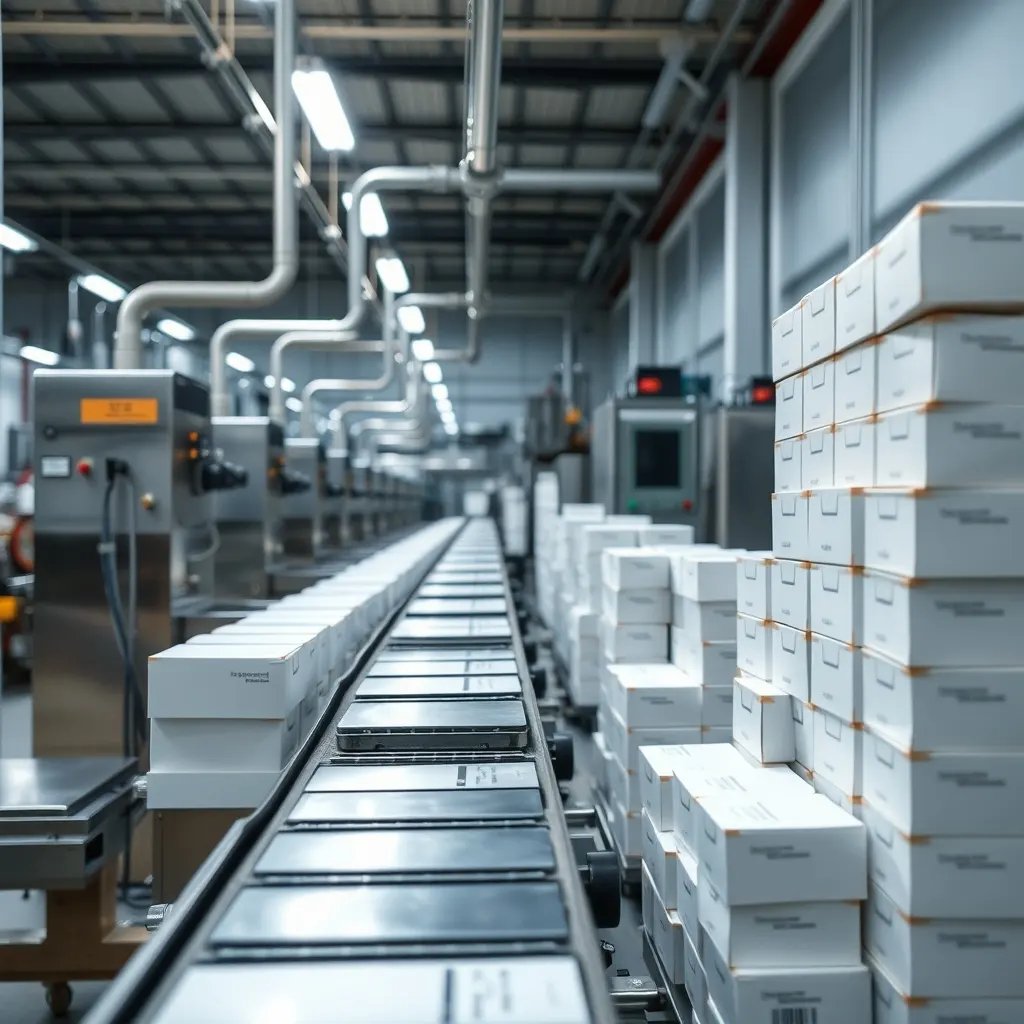
A surprising number of websites and trade-show booths advertising "our factory in Thailand" are run by trading companies that own no production line at all. That's not automatically a problem — many trading companies do useful work matching brands to real manufacturers. The problem is when a trader presents itself as the factory, quotes as if it controls production, and leaves you with no direct line to the people actually making your product. If something goes wrong with a formula, a batch, or a shipment, you want to know who really holds the answers. Here's how to tell the two apart before you sign anything.
Why this distinction actually matters
A genuine factory controls its own equipment, raw material sourcing, in-house QC, and production schedule. A trading company sits between you and one or more factories, adding a layer of communication, margin, and sometimes confusion about accountability. This isn't inherently dishonest — plenty of legitimate sourcing agents disclose their role clearly. The issue is traders who imply or outright claim factory ownership to win trust and close deals faster. When you later ask for a factory audit, a wastewater treatment inspection, or a direct meeting with the production manager, the cracks start to show. Knowing who you're really dealing with changes how you negotiate MOQ, lead times, quality control, and who you escalate to when a batch fails specification.
Questions that separate a factory from a trading company
Ask these early, before technical discussions get too deep:
- Can you share the factory's company registration name, and does it match the production site address?
- Who approves the formula changes — your team directly, or does it go through a third party first?
- Can we schedule a facility visit or video walkthrough of the actual production floor, not a showroom?
- Who signs the manufacturing agreement — the entity you've been emailing, or a different legal name?
- Can you provide documentation like a Certificate of Analysis directly from the production site?
A real factory answers these without hesitation because the information is internal. A trading company often needs to "check with our partner" — which isn't wrong, but it's a signal worth noting.
Red flags worth slowing down for
None of these prove deception on their own, but several together are worth a pause:
- Marketing materials show stock photos of production lines rather than the specific facility you'd be working with.
- The sales contact can't describe basic equipment capacity, batch size limits, or line changeover process in their own words.
- Every quote takes several days to come back, even for simple SKU changes — a sign requests are being relayed to a separate factory.
- The company address on invoices or contracts is a serviced office or business center, not an industrial zone.
- They're vague about which specific product categories they actually manufacture versus which they "can arrange."
- They resist a facility visit or always suggest meeting at a hotel or their office instead of the plant.
What a verification checklist looks like in practice
Before committing to a manufacturing agreement, work through a short checklist:
1. Request the factory's business registration details and cross-check the name against any certificates offered (ISO, GMP, or similar). 2. Ask for photos or video specifically of your product line in production, not generic imagery. 3. Confirm who will be your point of contact during quality control and production — is it internal staff, or does every message route through an intermediary? 4. Clarify in writing who is legally responsible for the manufacturing agreement and any product liability. 5. If possible, visit in person or request a live video call walkthrough of the specific production area relevant to your product.
This kind of due diligence overlaps closely with how to spot a cosmetic trading company posing as a factory in day-to-day practice — the checklist is less about catching a lie and more about building a paper trail of who does what.

When working with a trading company is still fine
Sourcing agents and trading companies can add real value — language support, smaller consolidated orders, or access to a network of vetted plants. The key is transparency. A reputable trader will tell you upfront: "We coordinate production with manufacturing partners; here's how quality control and communication will work." Problems arise only when that role is hidden and you're led to believe you have direct factory access you don't actually have. If you're comparing options, it helps to look at how established platforms in this space describe their own setup — for instance, 5FINE and THAIMOST both lay out clearly which parts of the process are handled directly versus through partner facilities, which is the kind of disclosure worth looking for elsewhere too.
Need expert support?
Leave your details and our team will get back to you.
FAQ
Frequently asked questions
Is it always bad to work with a trading company instead of a factory?
No. Many trading companies are transparent about their role and provide real value in sourcing, consolidation, and communication. The issue is only when a trader misrepresents itself as the manufacturer and hides the actual production relationship.
What's the fastest way to check if a company really owns a factory?
Request the business registration name tied to the production address, and ask for a facility visit or live video walkthrough of the specific line making your product. Hesitation or vague answers are worth noting.
Does MOQ differ between trading companies and factories?
Standard OEM/private label manufacturing is generally quoted around 1,000 units per SKU regardless of who you're negotiating with — pricing and specifics depend on the product and will be confirmed at the quotation stage.
Should I ask for documents like a Certificate of Analysis before committing?
Yes, and ask whether it comes directly from the production site. Documentation is typically provided per order once you're in the quotation or sampling stage, and this is a reasonable point to confirm who issues it.
Prepared by the Thai Cosmetic Factory team for informational purposes. Some links may lead to referred partners.
Articles
Related articles
Can This Factory Handle Your Volume? Checking Production Capacity
How to check cosmetic factory production capacity comes down to one thing: verifying what a factory can reliably produce for your product, not what its brochure says it can make at
What Questions to Ask on a Cosmetic Factory Video Call
A video call is often the first real look you get into a Thai cosmetic factory before committing time and money to samples or contracts. Done well, it can save weeks of back-and-fo

How to Prepare for a Cosmetic Factory Audit as a Brand Owner
If a Thai cosmetic manufacturer has agreed to let you audit their facility, that's a good sign — but showing up unprepared wastes the visit. Brand owners often focus on product sam
How to Verify a Cosmetic Manufacturer Is Legitimate
A polished website and a quick WhatsApp reply are not proof that a cosmetic manufacturer is real, compliant, or capable of producing your order. Every year, brand owners sourcing f

Staff Training at a Cosmetic Factory: The Questions Worth Asking
Equipment lists and certificates tell you what a factory owns; the questions to ask a cosmetic factory about staff training tell you how consistently that equipment is used on an o
Cosmetic Factory Audit Questions: A Buyer's Checklist for Thailand
Before you commit to a Thai cosmetic manufacturer, a factory audit — whether virtual or on-site — is where assumptions get tested against reality. Yet most brand owners walk into t