Where factories are
Industrial Estates in Thailand for Manufacturing: What Cosmetic Buyers Should Know
If you're sourcing cosmetics or wellness products from Thailand, you'll quickly notice that most serious manufacturers cluster inside industrial estates rather than standalone plot

If you're sourcing cosmetics or wellness products from Thailand, you'll quickly notice that most serious manufacturers cluster inside industrial estates rather than standalone plots. That's not a coincidence — estate-based factories tend to have better utility infrastructure, easier customs handling, and more consistent compliance oversight. Understanding how these estates work, and why location matters for cosmetic manufacturing specifically, helps you ask sharper questions during vetting and avoid surprises later in production or export.
Why Industrial Estates Matter for Cosmetic Manufacturing
Industrial estates in Thailand for manufacturing are purpose-built zones with shared infrastructure: wastewater treatment, power stability, fire safety systems, and often streamlined customs or BOI (Board of Investment) privileges for qualifying tenants. For cosmetic production specifically, this matters because formulations, filling lines, and packaging operations are sensitive to utility consistency and require documented environmental controls. A factory operating inside a recognized estate usually has to meet baseline zoning and safety standards just to keep its license — which is one less thing you need to verify from scratch, though it's not a substitute for your own audit.
Major Estate Clusters Relevant to Cosmetics and Personal Care
Thailand's industrial estates are spread across several regions, with notable concentrations near Bangkok's eastern seaboard (Chonburi, Rayong) and in the central provinces (Samut Prakan, Samut Sakhon, Ayutthaya). These areas host a mix of chemical, FMCG, and personal care manufacturers, partly because of proximity to ports for export and partly because of established supplier ecosystems for raw materials and packaging components. When you're reviewing a Thai manufacturers directory, cross-check the estate location against port access and raw material supplier density — a factory far from both may face longer internal logistics even if its unit economics look fine on paper.
What to Verify Before Treating Estate Location as a Quality Signal
Being located in an industrial estate tells you about baseline infrastructure, not about a factory's actual manufacturing quality, GMP compliance, or formulation capability. Treat it as one data point among several. Ask for: the factory's registered business license, any GMP or ISO documentation relevant to the product category, and a walkthrough (in person or via video) of the production and QC areas. Also confirm whether the estate address on paper matches the actual production site — some trading companies list an estate address but subcontract actual manufacturing elsewhere, which is a red flag worth clarifying early.
How Estate Infrastructure Affects Export and Lead Times
Estates near deep-sea ports (like those around Laem Chabang) generally simplify container logistics for brands shipping internationally, since customs clearance and freight forwarding services are often concentrated nearby. This matters if your sourcing strategy involves regular reorders across multiple markets — inland estates can still work well, but you should ask how the factory handles trucking to port and whether that adds meaningful time to your shipping schedule. For buyers building a genuine global sourcing strategy rather than a one-off order, these logistics details compound over multiple shipments.
Using Estate Data to Narrow Down Thai OEM/ODM Factories
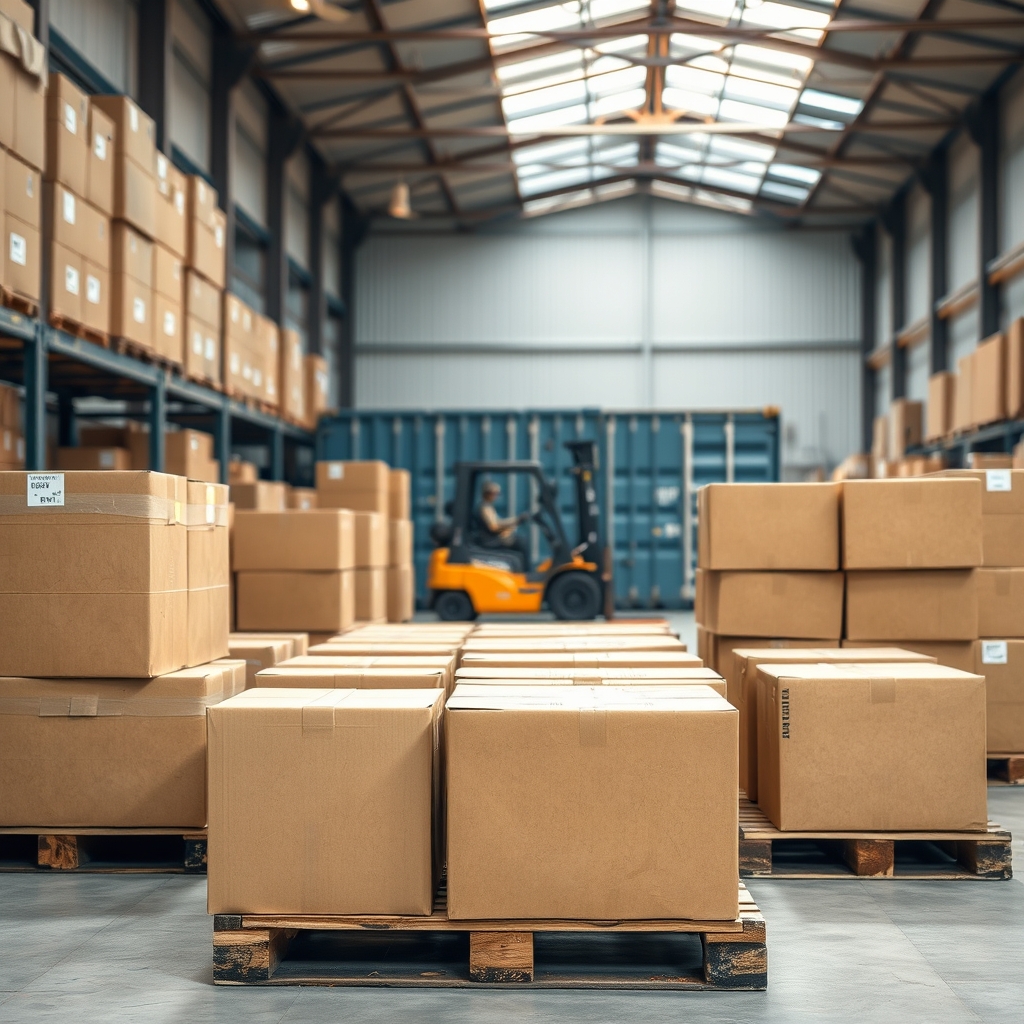
When screening Thai OEM/ODM factories, estate location can help you filter a long list into a shortlist faster. Factories in well-established cosmetic-heavy estates often have neighboring suppliers for bottles, tubes, and raw materials, which can simplify coordination if your manufacturer sources components locally. This is also where working through a partner factory network becomes useful — rather than cold-contacting individual plants and verifying each one's estate registration and licensing yourself, a curated network has usually already done that first layer of documentation checking, so you can focus your own due diligence on formulation fit and production capacity.
Red Flags When Estate Claims Don't Add Up
Be cautious if a supplier can't produce a clear factory address, avoids video calls showing the actual production floor, or gives inconsistent answers about which estate they're registered in. Legitimate estate-based factories are generally comfortable sharing their registration details since this information is part of standard business transparency in Thailand. If a sourcing contact is vague about physical location but quick to discuss pricing, treat that as a prompt to slow down and ask for documentation before moving forward with samples or deposits.
Need expert support?
Leave your details and our team will get back to you.
FAQ
Frequently asked questions
Does a factory's industrial estate location guarantee GMP compliance?
No. Estate location indicates baseline infrastructure and zoning compliance, but GMP certification and formulation quality need to be verified separately through documentation and, where possible, a facility audit.
Are cosmetic factories only located in industrial estates in Thailand?
Many are, especially larger-scale OEM/ODM manufacturers, but smaller or specialized workshops can operate outside formal estates too. Estate location is a useful filter, not a strict requirement for legitimacy.
How do I find a reliable Thai manufacturers directory?
Look for directories that list verifiable details such as registered addresses, product categories, and certification status where available. Cross-reference any listing with an independent check of the factory's business registration before committing to samples or orders.
Does estate proximity to ports affect production lead times, not just shipping?
Indirectly, yes. Estates near ports often have more established logistics and supplier ecosystems nearby, which can smooth component delivery into the factory itself, though actual production lead times depend more on the factory's own capacity and order queue.
Prepared by the Thai Cosmetic Factory team for informational purposes. Some links may lead to referred partners.
Articles
Related articles
Export Documents for Cosmetics: What Buyers Should Verify
Export documents for cosmetics are where many sourcing projects slow down, not because the product is wrong, but because the paperwork does not match what the destination market ex
Finding a Fragrance Manufacturer in Thailand: A Buyer's Verification Guide
Thailand has built a deep bench of cosmetic and personal care factories, and a good number of them run dedicated fragrance lines — perfumes, body mists, scented lotions, home fragr
Stability Testing for Cosmetics: A Buyer's Guide to Verifying Thai Manufacturers
Before a product leaves a factory floor in Thailand, it should have already survived weeks or months of deliberate abuse — heat, cold, light, cycling temperatures — all in the name