Guide
Skincare Contract Quality Control Checklist: What Buyers Should Verify Before and During Production
A contract manufacturing deal looks straightforward on paper: you send a formula or brief, the factory produces, you sell. In practice, quality slips happen at predictable points —
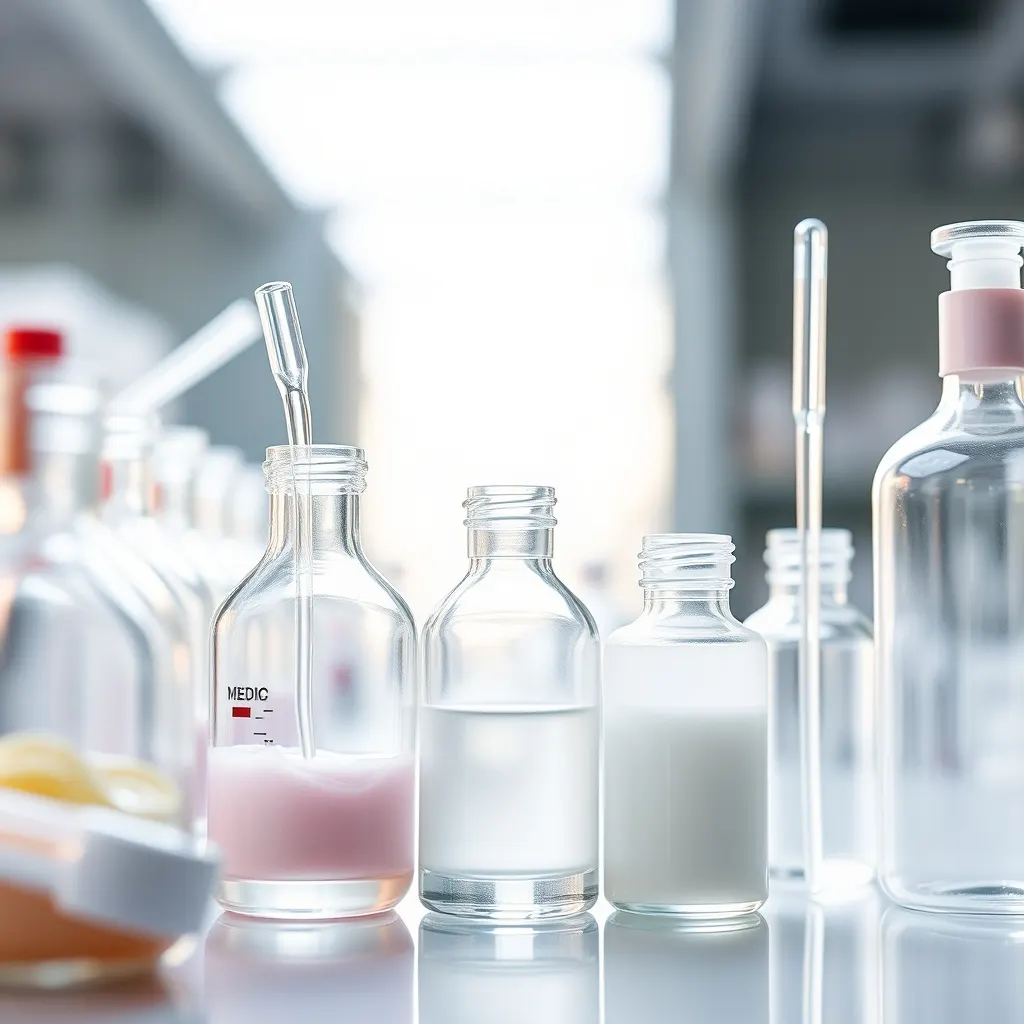
A contract manufacturing deal looks straightforward on paper: you send a formula or brief, the factory produces, you sell. In practice, quality slips happen at predictable points — raw material intake, in-process checks, filling, and final release — and most of them are invisible until a customer complaint or a failed retailer audit surfaces them. A skincare contract quality control checklist is how experienced sourcing teams catch these issues early, before a batch leaves the factory floor. This guide walks through what to ask for, what documentation to expect, and the red flags that suggest a Thai OEM/ODM factory's QC system is more paperwork than practice.
Why quality control needs to be contractual, not assumed
Many brand owners assume that if a factory has a good reputation or a clean-looking facility, quality control is automatically handled. In reality, QC scope, sampling rates, and acceptance criteria should be written into the manufacturing agreement or a linked quality agreement — not left to verbal understanding. Without this, disputes over a 'defective' batch often come down to each side's differing expectations of what 'acceptable' means. A written checklist also gives both parties a shared reference during supplier verification, so that when you request quotes from Thai factories, you can compare not just price and MOQ but also what QC steps are actually included in that price.
Raw material and packaging intake checks
Quality starts before manufacturing does. At intake, a competent factory should verify incoming raw materials against certificates of analysis, check packaging components (bottles, pumps, tubes, cartons) for dimensional fit and visual defects, and quarantine any lot that doesn't match specification until it's cleared. Ask your factory contact how incoming materials are logged and whether non-conforming lots are documented, not just discarded quietly. If a factory can't describe this process clearly, that's worth noting as you shortlist Thai OEM/ODM factories — it often signals that deeper QC documentation is thin as well.

In-process checks during manufacturing and filling
This is where most quality drift actually happens: viscosity, pH, color, and fragrance intensity can shift batch to batch, and filling lines can under-fill or introduce air pockets if not monitored. A solid checklist includes: pH and viscosity readings at defined intervals, visual inspection for color/texture consistency, fill-weight spot checks, and cap/pump torque testing. Ask for the in-process check frequency and whether results are recorded with timestamps and operator sign-off, not just a final pass/fail note. This level of detail matters more for leave-on or actives-heavy skincare formulas, where small deviations are more likely to affect stability or efficacy.
Finished goods inspection and batch release criteria
Before a batch is released for shipment, there should be a defined finished-goods inspection: visual check of labeling and batch coding, leak testing, carton integrity, and a final sample retained for reference. Ask whether the factory keeps retained samples for a defined period and whether a Certificate of Analysis (CoA) is issued per batch. Documentation is only useful if it's specific — a CoA listing generic 'pass' results across the board is less reassuring than one showing actual measured values against stated specifications. This is also the stage where third-party lab testing, if agreed in your contract, should be coordinated.
Building QC verification into your sourcing process
Supplier verification shouldn't stop once you've chosen a factory — it should continue through onboarding and the first few production runs. Before committing, ask to see an example of a batch record or CoA (with proprietary details redacted), confirm who has authority to reject a batch, and clarify how corrective actions are communicated if a deviation is found. For teams managing global sourcing across multiple categories, maintaining a consistent QC checklist across different factories makes it far easier to compare performance and catch recurring issues early, rather than discovering gaps only after products reach the market.
Where a partner factory network fits into this picture
Vetting QC practices factory by factory takes time, especially if you're new to sourcing in Thailand or managing several SKUs across different manufacturers. Working through an established partner factory network can shorten this process, since the groundwork of comparing documentation standards and production practices has typically already been done. It doesn't replace your own verification, but it does mean you're starting from a narrower, pre-screened shortlist rather than a cold list of names.
Need expert support?
Leave your details and our team will get back to you.
FAQ
Frequently asked questions
Should quality control terms be part of the manufacturing contract itself?
Yes, ideally. QC scope, sampling rates, and batch acceptance criteria are easier to enforce when they're written into the contract or a linked quality agreement, rather than relying on verbal assurances made during factory visits or quote discussions.
What's a reasonable first step if I'm new to sourcing from Thailand?
Start by requesting documentation samples — a redacted batch record or CoA — from a few factories before committing. This helps with supplier verification and gives you a basis to request quotes from Thai factories that already meet a documentation standard you're comfortable with.
Does MOQ affect how much QC attention a batch gets?
Not necessarily, but it's worth asking directly. Standard contract manufacturing MOQ is typically 1,000 units per SKU, and the QC process should apply consistently regardless of order size — ask the factory to confirm this rather than assuming it.
Can third-party lab testing be added to a standard QC checklist?
Often yes, depending on the product and factory, though this is arranged on a case-by-case basis. Confirm with your factory contact early, since it may affect timelines and should be agreed before production starts, not after.
Prepared by the Thai Cosmetic Factory team for informational purposes. Some links may lead to referred partners.
Articles
Related articles

How to Check If a Thai Factory Has an FDA License: Buyer Checklist
Buyers ask how to check if a Thai factory has FDA license approval more than almost any other question, and the honest answer starts with a correction: there is no single "FDA lice

What Is Contract Manufacturing in the Cosmetics Industry?
What a contract manufacturer actually does, the models you can buy, who owns the formula, which documents prove capability, and how to verify a candidate before you commit.

Cosmetic Factory vs Supplement Factory Certification Differences: A Buyer's Guide
If you're sourcing both a skincare line and a wellness supplement from Thailand, you'll quickly notice the paperwork isn't the same. A factory that's well set up for lotions and se