Production & QC
What Questions to Ask About Formula Stability During Development
A formula that looks and smells perfect in week one can separate, discolor, or lose efficacy by month three. Stability testing exists precisely to catch that before products reach
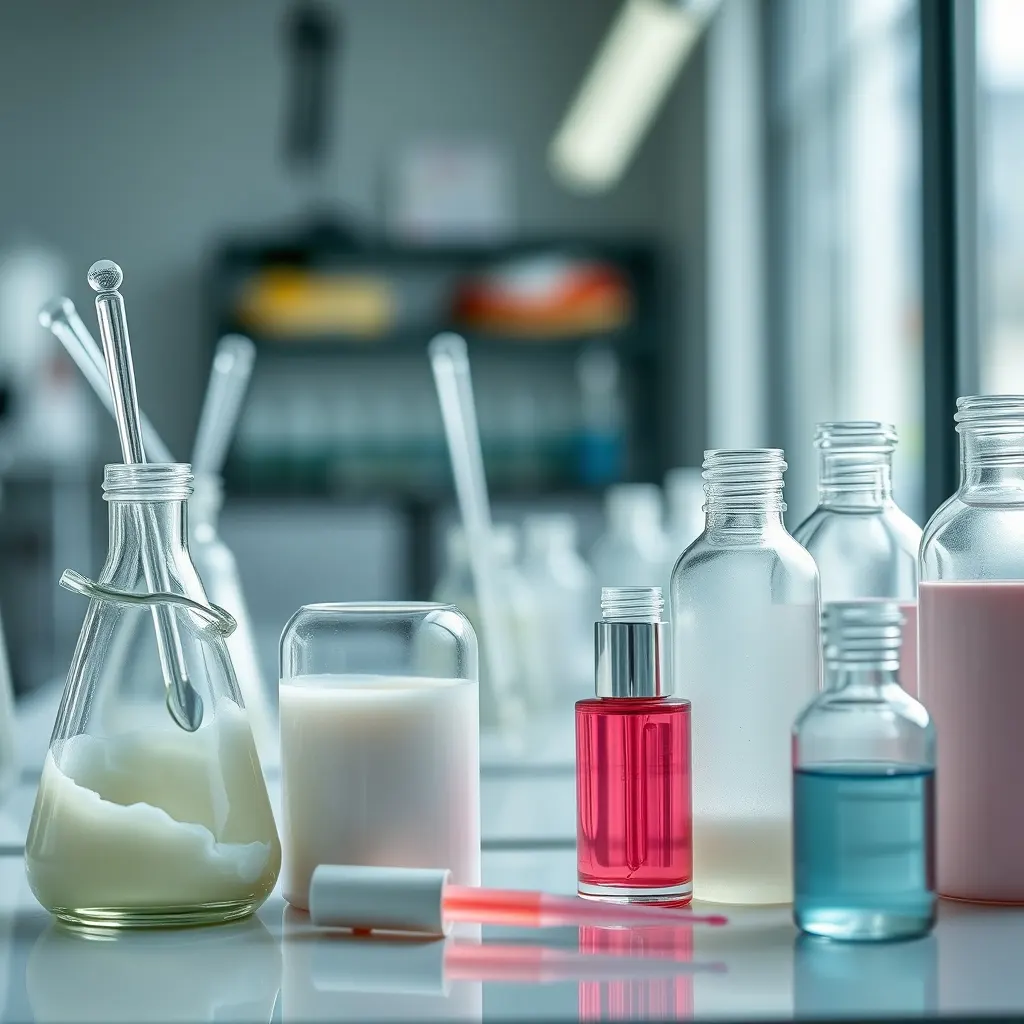
A formula that looks and smells perfect in week one can separate, discolor, or lose efficacy by month three. Stability testing exists precisely to catch that before products reach a shelf or a customer's bathroom. But many brand owners only find out their formula had a problem after it's already in packaging — because nobody asked the right questions during development. This guide walks through what to ask your Thai cosmetic factory's R&D or QC team at each stage of product development, so stability issues get caught on paper and in the lab, not in a customer complaint.
Why stability questions belong early in product development, not after
Stability is often treated as a final checkbox before launch, but the real decisions that determine whether a formula holds up — emulsifier system, preservative choice, pH range, packaging compatibility — happen in the earliest weeks of product development. If you wait until a sample is finished to ask 'will this stay stable?', you've already lost the chance to adjust the formula cheaply. Ask early: what stability protocol will this formula go through, and at what stage of development does testing start? A factory that only begins stability testing after the formula is 'locked' is leaving very little room to fix problems without a full reformulation.
Questions about the testing protocol itself
Not all stability testing is equal, so it's worth asking specifics rather than accepting a vague 'yes, we test stability.' Useful questions include: What temperature and humidity conditions will the formula be tested under (e.g. cycling between hot, cold, and room temperature; accelerated heat chambers)? How long does the testing run, and is there an accelerated protocol alongside real-time testing? What exactly is checked at each interval — appearance, color, odor, viscosity, pH, phase separation, microbial load? Ask to see a sample stability report template so you understand what data you'll actually receive. A factory that can walk through this methodically is treating stability as a real process, not a formality.

Questions about ingredients and formula design
Stability problems often trace back to ingredient choices made before testing even starts. Ask what emulsifier or stabilizer system is being used and why it suits your specific combination of actives, oils, and finish. Ask whether any of your requested active ingredients are known to be unstable at certain pH levels, temperatures, or in combination with other ingredients in the formula — vitamin C, retinol, and certain peptides are common examples worth discussing directly. Ask about the preservative system and whether it has been challenge-tested for the water content and packaging type you're planning. If a factory can't explain these choices in plain terms, that's worth probing further before you commit to a formula direction.
Questions about packaging compatibility
A stable formula in a lab beaker can still fail inside the wrong packaging. Ask whether the stability testing will be done in the actual container you intend to use for launch — not a generic lab vial. Plastics, pump mechanisms, and certain metals can react with actives or fragrance over time, causing leaching, discoloration, or seal failure. Ask specifically: has this packaging type been tested with this formula before, and if not, how will compatibility be verified before full production? This is one of the most commonly skipped steps, and it's where many 'stable formula, failed product' situations originate.

Questions about what happens if a formula fails stability
It's worth asking this before you need the answer. If a formula shows separation, color shift, or odor change during testing, what is the process — does the factory reformulate and retest from scratch, or adjust specific components? How is this communicated to you, and what documentation will you receive explaining what failed and why? Also ask how this affects your development timeline, since reformulation and retesting take additional time that should be planned for rather than discovered mid-project. A factory with a clear, documented process for handling failed stability results is generally easier to work with than one that treats it as an informal conversation.
Questions about documentation and what you keep for your own records
Once testing is complete, ask what documentation you'll receive and whether it's enough to support claims, distributor requirements, or import checks in your target market. Stability reports, along with any certification documents available for the specific product, are typically provided per order rather than as a blanket guarantee across all SKUs — so confirm what applies to your formula specifically. If you're exporting, it's also worth checking with the customs or regulatory authority in your destination market about what stability or safety documentation they expect on arrival, since requirements vary by country and product category.
Need expert support?
Leave your details and our team will get back to you.
FAQ
Frequently asked questions
How long does stability testing usually take during development?
Timelines vary by formula type and testing protocol, and should be confirmed with your factory for your specific product — ask early so it's built into your overall development schedule rather than treated as a late addition.
Is stability testing included when I order through a Thai cosmetic factory?
This depends on the manufacturer and the scope of your order, so it's a direct question to raise during quoting rather than something to assume either way.
Does a bigger order size get more thorough stability testing?
Testing protocols are generally tied to the formula and packaging, not order volume. MOQ for OEM production is typically set at 1,000 units per SKU, but stability testing questions should be asked regardless of the quantity you're planning.
What if my formula fails stability testing — do I lose my deposit or restart from zero?
This varies by factory and contract terms, so it's worth clarifying the reformulation and retesting process, along with any cost or timeline implications, before development begins rather than after a failure occurs.
Prepared by the Thai Cosmetic Factory team for informational purposes. Some links may lead to referred partners.
Articles
Related articles
What Is the Role of a QA Manager in a Cosmetic Factory?
When you're evaluating a cosmetic factory in Thailand, one job title tells you more about product consistency than almost anything else on a facility tour: the QA (Quality Assuranc
What Happens During a Pilot Batch Production Run? A Buyer's Guide
A lab sample proves a formula can exist. A pilot batch proves it can be made. Buyers who understand what happens during a pilot batch production run catch problems at the scale of
How Cosmetic Factories Test Product Shelf Life: A Buyer Guide
Understanding how cosmetic factories test product shelf life tells you something more useful than a date on a carton: it tells you how much of that date is evidence and how much is assumption.
Microbiology Testing for Cosmetics: A Buyer's Verification Guide
Microbiology testing for cosmetics is the one quality check a buyer cannot judge by looking at the product, which is exactly why it is the one most worth verifying on paper.
How to Set Specifications for a Skincare Product Before Manufacturing
If you want to know how to set specifications for a skincare product before manufacturing, the core answer is this: write down, in measurable terms, what an acceptable product look

Cosmetic Quality Control Process: A Buyer's Guide to Verifying Thai Manufacturers
If you're sourcing skincare, personal care, or wellness products from Thailand, the cosmetic quality control process is the single most important thing to understand before you sig